01 Measure
Smart power metering
A year of bills becomes a minute-by-minute map of where each kilowatt-hour goes
- Clamp-on
- No shutdown
- Live dashboard

Services
Three services built as one sequence for cold stores and food plants — meters show where electricity goes, a thermal camera shows where it leaks, and tuning stops the leak — then we prove the saving
Each service stands alone — together they find more, because every stage tells the next one where to look
A year of bills becomes a minute-by-minute map of where each kilowatt-hour goes
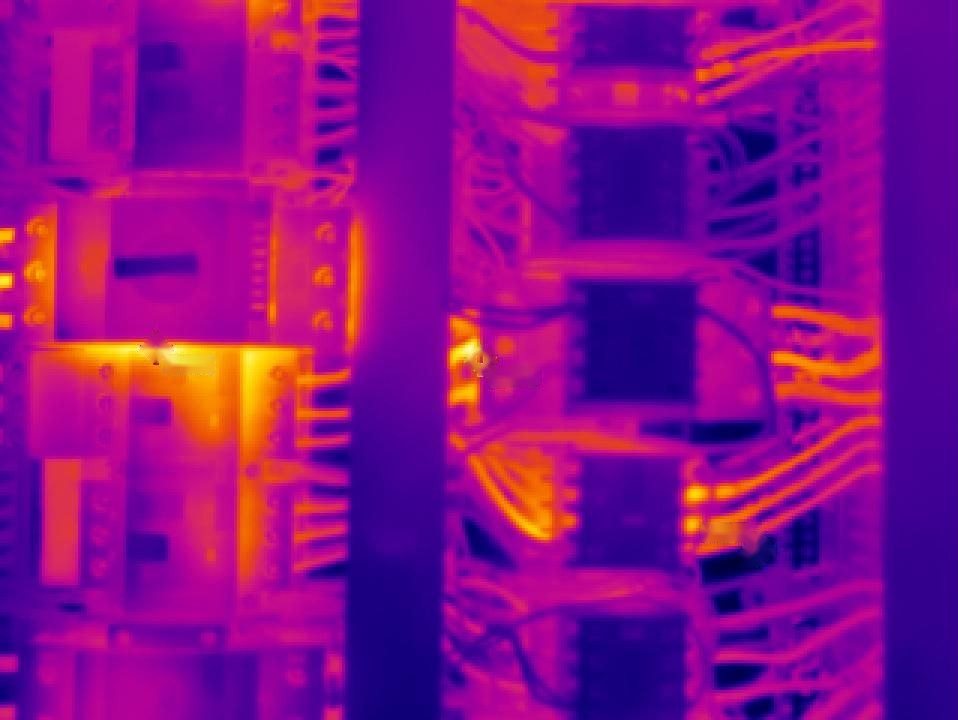
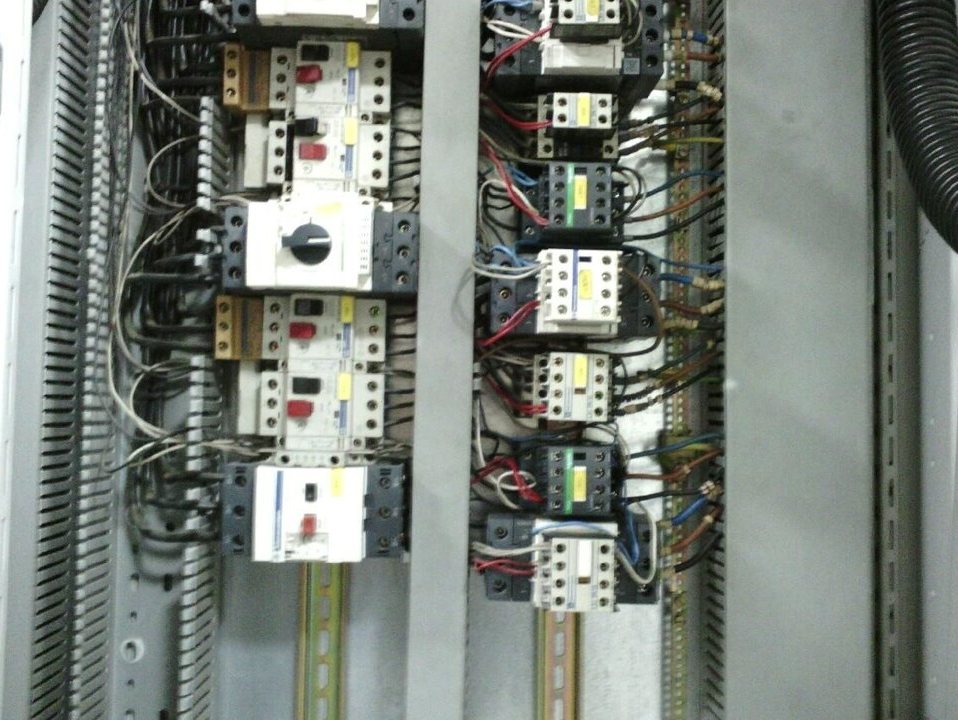
Heat is the receipt for waste — the camera shows it on panels, lines, seals and compressors
Before: frequent starts12
After: fewer, longer runs3
Setpoints, sequencing and defrost corrected for how the plant really runs, not how it was commissioned
Why the order matters
Tuning without measuring is guessing — measuring without a survey misses the hot connection about to fail — we do them in this order so each stage makes the next one cheaper and more accurate
Clamp-on meters on the incomer and the big loads — no shutdown, no rewiring
Output Load profile and a baseline
A radiometric thermal camera finds hot connections, cold-line losses and leaking envelope
Output Ranked findings with images
Setpoints, sequencing, defrost and fan control corrected one change at a time
Output Lower runtime, fewer starts
The same meters run again — savings are measured against the baseline and normalised
Output A saving figure you can defend
Every cold store is a loop — the evaporator pulls heat out of the room, the compressor lifts it to a higher pressure, the condenser throws it outside and the cycle starts again — each stage can waste energy in its own way
Product, panels and doors — heat leaks in through every gap
Worn door seals, open dock doors and degraded panel joints let warm, humid air in — it turns to frost and the plant works harder all day
What we do Thermal-camera envelope scan, seal repair, door interlocks
Lifts refrigerant pressure — the biggest electrical load on site
Poor sequencing means machines start and stop far more than needed, run partly loaded, or run against a higher pressure than the day requires
What we do Staging and sequencing review, suction pressure reset, start counting
Rejects heat to outdoor air — fans and coils set the head pressure
Fouled coils, blocked airflow and a fixed head-pressure setpoint push compressor power up, most of all on cooler nights when it could be lower
What we do Coil cleaning, fan control, floating head pressure
Coil and fans inside the room that absorb heat from the air
Frost on the coil, timer-based defrost and fans that never slow down add heat to the room and then charge you to remove it
What we do Demand-based defrost, fan control, superheat check
Each item with cost, saving and payback in AED
Every thermal finding with its temperature rise and severity
Measured before any change, used to verify every saving
Your maintenance team is shown every change we make
Every engagement starts with the same assessment — what changes is how long we stay and who carries the risk
Fixed fee, one-off
A full-site assessment with a clear list of what to fix first
Best for Sites that have never been metered or surveyed
Monthly subscription
Permanent metering and a live dashboard, so savings stay saved
Best for Sites that corrected the plant and want it to stay corrected
Paid from verified savings
We carry the audit and tuning work — our fee is a share of savings that are measured
Best for Larger sites above a minimum annual electricity spend
Pricing is quoted per site in AED after the first call — fixed quote, no open-ended day rates
The physics is the same everywhere — the load, the doors and the hours are not
Blast freezers, low-temperature stores, dock areas
Process cooling, chilled water and CIP cycles
Chilling, cutting halls and cold-chain distribution
Validated 2 to 8 °C rooms where stability matters more than anything
Multi-temperature warehouses with constant door traffic
No — metering uses clamp-on sensors and the thermal survey is contactless — in fact the plant has to be running under normal load for the readings to mean anything, so we plan around your shifts, including nights
One to three days on site depending on size, then five to seven working days to deliver the report — a permanent monitoring install takes about half a day
No — we are not tied to any manufacturer — many of the savings we find need no purchase at all: setpoints, schedules, control logic and seals — when hardware is justified we say so and you buy it from whoever you prefer
Then we tell you on the first call, before anyone visits — under Shared Savings the question never arises, because no verified saving means no fee
Yes — your data stays on your dashboard and is never shared — we will sign an NDA before the first site visit if you ask
The whole UAE: Dubai, Abu Dhabi, Sharjah, Ajman, Ras Al Khaimah, Al Ain and Fujairah — we travel to site
Book a free assessment
One call of about twenty minutes — we work out whether there is enough on the table to justify a site visit, and tell you plainly if there is not