Services Cold storage Results About Contact Book a free assessment
+98 000 000 0000
hello@cutwatt.com
Home/Cold storage
Sector · food cold storage

Refrigeration is most of your bill. It is also where most of the waste is.

In a typical food cold store, sixty to seventy per cent of electricity goes to refrigeration. Almost none of that plant is running the way it was commissioned to. That gap is what we are here to close.

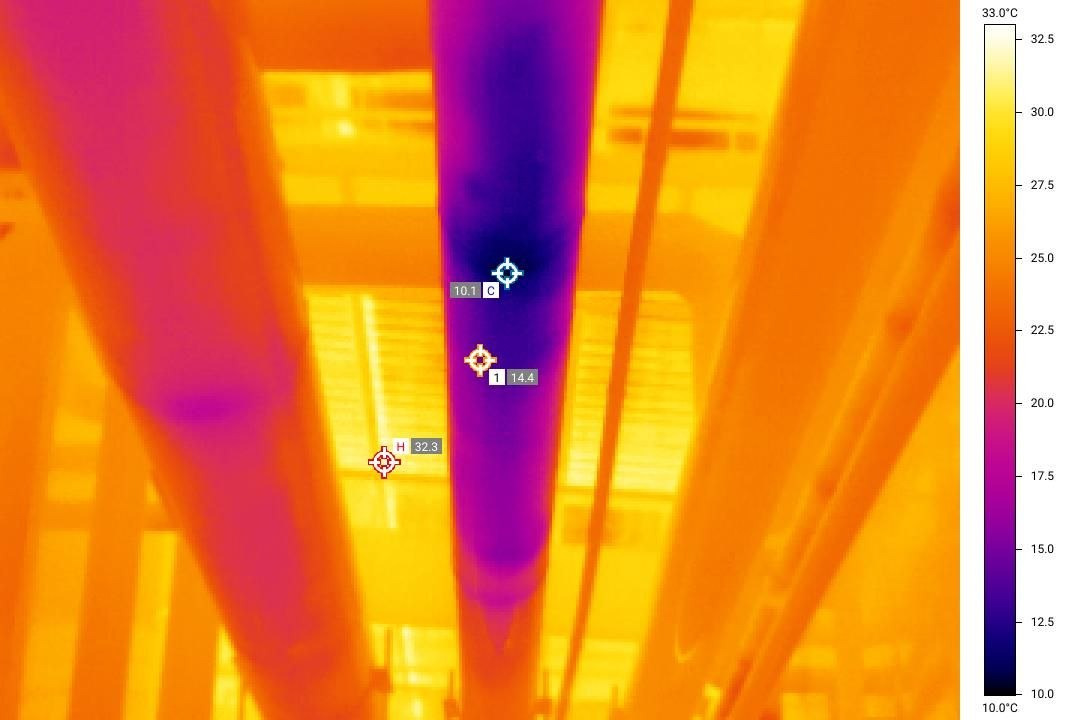
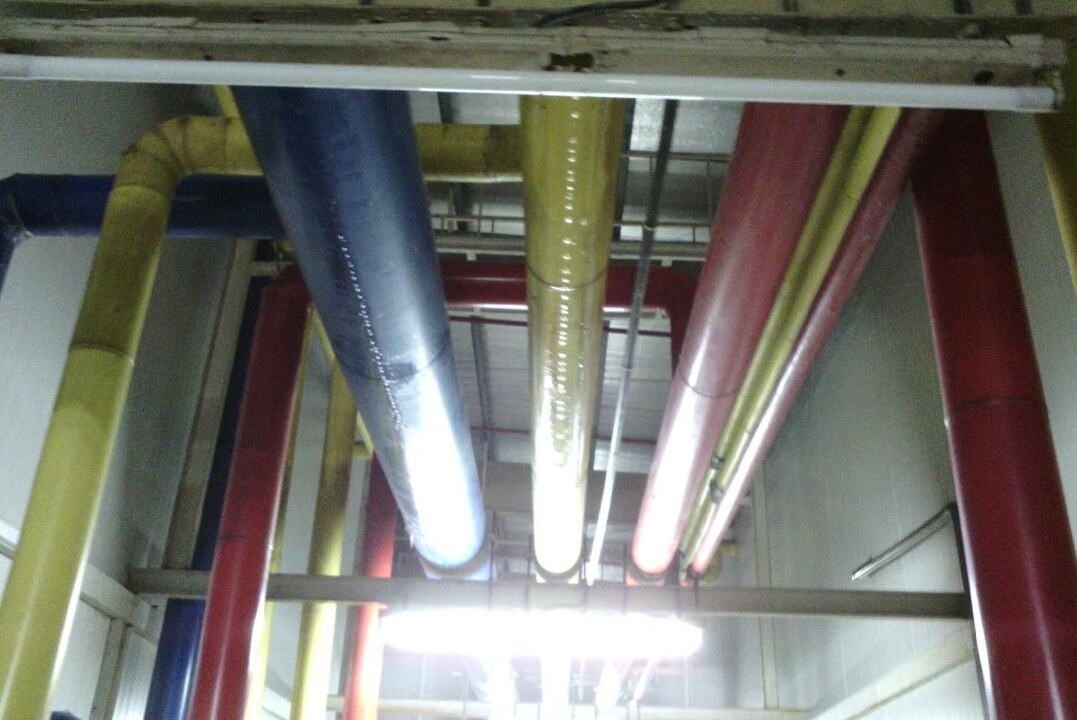
Thermal image of cold store suction lines Cold store pipework in visible light Move to scan
Findings · what we keep finding

Nine problems, in the order we usually find them.

01

Defrost running on a timer

Electric or hot-gas defrost on a fixed schedule puts heat into the chamber whether it is needed or not — and then the plant removes that heat again. Demand-based termination usually pays for itself within weeks.

02

Head pressure held artificially high

Fixed condensing pressure was a control convenience decades ago. Floating it with ambient can cut compressor power substantially on cool nights, which is most of the year in many regions.

03

Compressors short-cycling

Poor staging makes machines start and stop far more than they need to. Every start is a mechanical and electrical stress event; starts per hour is the single best predictor of overhaul interval.

04

Evaporator fans running continuously

Fan motors add heat directly into the chamber, so you pay twice — once for the fan, once to remove its heat. Fan control on temperature or on demand fixes both.

05

Suction line insulation degraded

Cold surfaces exposed to a warm plant room load the system continuously. This is the finding in the image above, and it is one of the most common.

06

Doors and dock seals leaking

Infiltration brings in warm, humid air, which becomes frost on the coils, which reduces heat transfer, which makes everything run longer. It compounds.

07

Condensers fouled or air-starved

A dirty or recirculating condenser raises head pressure and pushes discharge temperature up — the fastest way to shorten the life of a compressor.

08

Refrigerant charge and superheat off

Both undercharge and overcharge cost energy and stress the machine. Neither is visible without measurement.

09

Peak demand ignored

Pull-down, defrost and other heavy loads land wherever they happen to land. Shifting them out of the tariff peak reduces the bill without reducing a single kilowatt-hour.
Second benefit · asset life

The compressor you do not have to replace.

Energy is the number that gets attention, but the mechanical outcome is often worth more. Compressor life is governed by three things: how often it starts, how hot its discharge runs, and what pressure ratio it works against. Every correction we make moves at least one of them in the right direction.

  • Fewer starts per hour through proper staging and sequencing
  • Lower discharge temperature through condenser and charge correction
  • Reduced pressure ratio through floating head pressure control
  • Early warning on bearings and motors from thermal trending

Longer overhaul intervals, fewer emergency call-outs, and — in a cold store — far less exposure to losing a chamber of stock.

Worked example

6,400 m³ frozen store

Compressor starts per hour, before9
Compressor starts per hour, after3
Night baseload−31%
Monthly consumption−31%
Payback on the work4.1 months

Figures normalised for ambient temperature and stored volume across the comparison period.

See all results
FAQ · before you call

Questions we get on the first call.

If yours is not here, ask it directly — you will get a straight answer, not a brochure.

+98 000 000 0000

No. Metering uses non-invasive clamps and the thermal survey is contactless — in fact the plant must be running under normal load for the readings to mean anything. We work around your schedule, including night shifts.

One to three days on site depending on facility size, then five to seven working days to deliver the report. Monitoring installations that stay permanently take about half a day.

A load map of your site, every thermal finding with its radiometric image and temperature delta, a ranked action list with estimated saving and cost for each item, and a payback calculation. Nothing is left as a generic recommendation.

We are not tied to any manufacturer. A large share of the savings we find need no purchase at all — they are setpoints, schedules, control logic and insulation. Where hardware is genuinely justified, we say so and you buy it wherever you like.

Yes. Data stays on your dashboard, is never shared, and we will sign an NDA before the first site visit if you prefer.

Most compressor wear comes from short-cycling, high discharge temperatures and running against an unnecessarily high head pressure. Fixing those reduces starts per hour and thermal stress, which is exactly what determines overhaul intervals.

It has not happened yet on an unaudited site, but the Shared Savings model exists for precisely that reason — under it, no savings means no fee.

We travel to site. Tell us where the facility is and we will confirm scheduling and any travel arrangement in the first call.

Free · first assessment

Find out what your site is wasting.

Give us a phone number and a facility. We will spend twenty minutes on a call working out whether there is enough on the table to be worth a site visit — and tell you honestly if there is not.

  • No cost and no obligation for the first assessment
  • NDA signed before the visit if you want one
  • We do not sell equipment, so the findings are not a sales list

We reply within one working day. No obligation, and nothing is installed on your site without your sign-off.

Call now Free assessment